
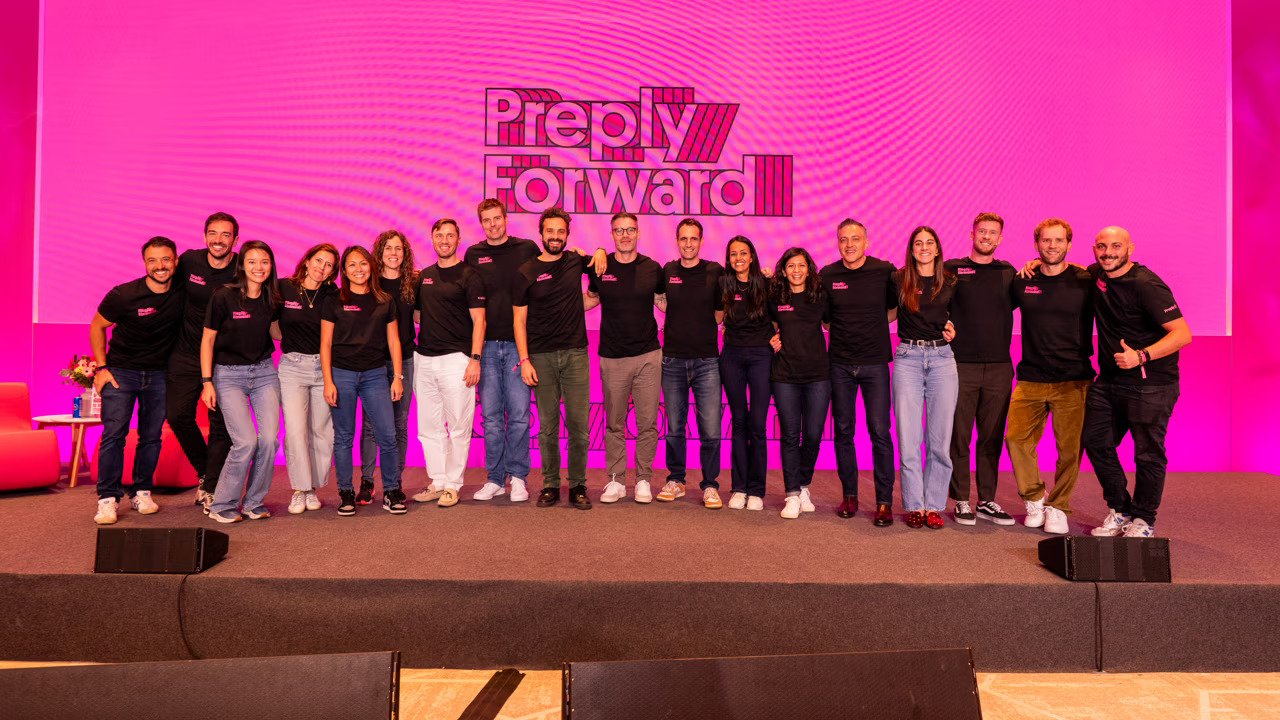
Led by WestCap, the Series D Round Values the Company at $1.2 Billion and Marks the Next Chapter for Personalized, High-Quality Learning at Scale
The venture capital industry, traditionally anchored by a Fixed-term VC fund structure, is witnessing a significant evolution with the rise of the Evergreen VC fund structure. These two primary models dictate how capital is raised, deployed, managed, and returned to limited partners (LPs) within a venture capital fund. Understanding their fundamental differences is crucial for general partners (GPs) seeking to optimize their investment strategy and for LPs evaluating allocation opportunities in the venture capital fund landscape. While often discussed in the context of private equity funds, venture capital funds have distinct characteristics that necessitate specialized structures.
This article provides a strategic comparison, dissecting the operational efficiencies, LP attraction strategies, and long-term advantages inherent in each model. We will explore how market trends influencing fund structure adoption are shaping the future of venture capital funds, offering insights for both fund managers and investors navigating this dynamic landscape. The choice of fund structure is paramount for long-term success in the venture capital fund ecosystem.
A Fixed-term VC fund structure is characterized by a finite lifespan, typically 10 to 12 years, with an initial investment period followed by a harvesting period. This model is the industry standard, providing a clear lifecycle for capital deployment and return within a venture capital fund. This traditional fund structure defines specific investment horizon parameters for its general partners.
Fundraising involves securing commitments from limited partners during a specific window, leading to a 'first close' and subsequent 'final close.' Capital is then called down from LPs as needed, usually over a 3-5 year investment period. This creates defined commitment periods and capital call dynamics that LPs must manage, impacting the overall capital deployment strategy.
The investment horizon for traditional funds is generally 5-7 years for individual portfolio companies, aligning with the fund's overall lifecycle. Portfolio rebalancing is less about continuous adjustments and more about managing existing positions towards an exit within the fund's term. Exit strategies, primarily through M&A, IPOs, or secondary sales, are critical for generating distributions.
Return profiles (IRR, TVPI) across structures for traditional funds are measured at the fund's conclusion, with GPs aiming for a Gross IRR often exceeding 25-30% and a TVPI (Total Value to Paid-In Capital) of 2.5x or more. Distributions typically occur towards the latter half of the fund's life, as companies mature and exit. This fund structure offers limited partners a defined timeline for their capital commitment and return expectations. Many private equity funds also adopt a similar fixed-term approach, though with different asset classes and investment horizon considerations.
An Evergreen VC fund structure, also known as a permanent capital vehicle, operates without a predefined end date, allowing for continuous investment and a perpetual capital base. This model offers significant flexibility, departing from the traditional finite venture capital fund lifecycle. The continuous nature impacts LP liquidity options and implications significantly, as well as the overall investment horizon for general partners and limited partners.
Fundraising cycles and continuous capital deployment are hallmarks of evergreen funds. Instead of distinct fund closes, capital is raised and deployed on an ongoing basis. This allows GPs to maintain a consistent presence in the market, investing opportunistically without the pressure of a looming fund end date, which is common in traditional private equity funds. This continuous capital deployment approach is a key differentiator.
LP liquidity options and implications are a key differentiator. While traditional funds offer liquidity primarily through distributions from exits, evergreen funds often provide periodic redemption windows, typically quarterly or semi-annually. This enhances LP flexibility, though often with notice periods and potential redemption fees, making the Evergreen VC fund structure attractive to certain investors.
Investment horizon and portfolio rebalancing within an evergreen structure are inherently long-term. GPs can hold investments for extended periods, supporting companies through multiple growth stages without the pressure to exit prematurely. This enables more strategic portfolio construction and diversification strategies, fostering deeper value creation. The management fee structures (continuous) in evergreen funds are typically applied to committed or net asset value, reflecting the ongoing nature of the vehicle rather than a fixed commitment period. This continuous fund structure allows for sustained capital deployment and long-term value creation.
The divergence between traditional Fixed-term VC fund structure and Evergreen VC fund structure spans several critical dimensions, impacting both general partners and limited partners. Understanding these distinctions is paramount for strategic alignment in the venture capital fund landscape.
Fundraising Approach: Traditional funds engage in cyclical fundraising cycles and continuous capital deployment, launching new funds every 3-5 years, requiring significant GP time and effort. Evergreen funds, conversely, maintain continuous capital raising, allowing GPs to focus more consistently on investing and portfolio support. This reduces the administrative burden of frequent fund formation for a venture capital fund.
Capital Deployment and Investment Horizon: Fixed-term funds have a defined investment period, typically 3-5 years, after which new investments cease. This can create pressure to deploy capital quickly. Evergreen funds offer perpetual capital, enabling a longer investment horizon and portfolio rebalancing strategy, allowing GPs to be more patient and opportunistic with their investments and hold companies for longer durations, potentially capturing greater upside. This impacts the overall capital deployment strategy.
LP Liquidity: This is a major distinction. Traditional funds offer LP liquidity options and implications primarily through portfolio company exits and subsequent distributions, which are unpredictable. Evergreen funds often provide LPs with periodic redemption windows (e.g., quarterly, annually), offering greater, albeit controlled, liquidity, which can be attractive to certain institutional investors, including those accustomed to private equity funds.
Management Fee Structures: Traditional management fee structures (traditional vs. continuous) typically charge 2% of committed capital during the investment period, then transition to a percentage of invested capital or net asset value. Evergreen funds usually apply fees continuously, often as a percentage of net asset value or committed capital, reflecting the ongoing operational nature. This continuous fee stream provides more predictable revenue for the GP, a key consideration for any fund structure.
Carried Interest Distribution: Carried interest distribution mechanisms differ significantly. Traditional funds typically calculate carry at the fund level, distributed after all capital and preferred return (hurdle rate) are returned to LPs. Evergreen funds often employ a 'deal-by-deal' carry or a 'European waterfall' at the fund level with a rolling hurdle, sometimes with a 'clawback' provision, allowing for more frequent carry distributions but requiring careful structuring to ensure fairness and alignment within the venture capital fund.
Operational Overhead and Fund Administration: Traditional funds experience peaks and troughs in fund administration and operational overhead coinciding with fundraising and exit phases. Evergreen funds maintain a more consistent, albeit potentially higher, ongoing operational cost due to continuous capital management, valuations, and redemption processing. However, this can lead to greater operational efficiencies over the long term by avoiding repetitive fund setup costs for a venture capital fund.
Transparency and Reporting: Both structures require robust transparency and reporting requirements, but evergreen funds often necessitate more frequent and detailed valuation reports due to their continuous nature and redemption features. Regulatory compliance, including adherence to frameworks like AIFMD in Europe or SEC regulations in the US, is critical for both, but evergreen structures may present unique considerations due to their perpetual nature and liquidity provisions for venture capital funds.
Hybrid fund models are emerging, blending elements of both structures. These might include traditional funds with longer investment periods, or evergreen funds with specific lock-up periods, seeking to combine the best features to address specific market trends influencing fund structure adoption and LP preferences in the venture capital fund space.
For General Partners, the choice between an evergreen and traditional fund structure profoundly impacts operational realities, team dynamics, and portfolio construction and diversification strategies for their venture capital fund.
Traditional Fixed-Term Benefits: GPs benefit from a clear lifecycle, allowing for focused fundraising cycles and continuous capital deployment within defined periods. The finite nature can create urgency, driving portfolio companies towards exits and providing a clear performance benchmark. The 'fund-by-fund' model often allows GPs to raise larger subsequent funds based on prior successes, attracting new LPs and increasing management fees and carried interest. This fund structure is well-understood by most LPs, simplifying due diligence, much like many established private equity funds.
Traditional Fixed-Term Challenges: The cyclical nature means GPs spend considerable time fundraising, diverting focus from portfolio management. The pressure to exit within a specific timeframe can lead to suboptimal divestments. The 'key-person' risk is higher between funds, and GP incentives and team retention can be challenging if there are long gaps between carry distributions. Operational overhead spikes during fundraising and closing periods for a venture capital fund.
Evergreen Benefits: Evergreen funds offer continuous capital, reducing fundraising distractions and allowing GPs to focus on value creation initiatives and founder support. The perpetual nature enables a truly long-term investment horizon, fostering deeper relationships with founders and allowing portfolio companies to mature without exit pressure. This can lead to potentially higher returns from long-term compounders. Predictable management fees aid in stable firm operations and GP incentives and team retention through more consistent compensation and carry potential. The flexibility in portfolio construction and diversification strategies is also a significant advantage for an evergreen venture capital fund.
Evergreen Challenges: Evergreen structures require robust, continuous valuation processes, which can be complex and costly. Managing LP liquidity options and implications with redemption windows demands careful capital planning and reserves. The absence of a hard close can make it harder to attract certain LPs accustomed to fixed-term commitments. Carry structures can be more intricate, and the 'evergreen' nature means there's no natural 'reset' point, demanding perpetual vigilance in portfolio management. The initial setup and ongoing compliance can also be more demanding for this type of fund structure.
Limited Partners approach traditional and evergreen venture capital fund structures with distinct objectives, primarily concerning liquidity, return profiles, and transparency. Their investment decision hinges on how each model aligns with their institutional mandates and risk appetites for venture capital funds.
Traditional Fixed-Term Funds for LPs: These funds offer a clear commitment period and an expected return horizon, which aligns well with many institutional allocation strategies. LPs understand the capital call schedule and the eventual distribution of proceeds from exits. The lack of early LP liquidity options and implications is generally accepted, as LPs are compensated with the potential for higher return profiles (IRR, TVPI) across structures due to the illiquidity premium. Traditional funds often present clear co-investment opportunities for LPs in specific portfolio companies, enhancing their exposure and potentially boosting returns, a common feature also seen in many private equity funds.
Evergreen Funds for LPs: The primary attraction for LPs in evergreen funds is the enhanced liquidity through redemption options, appealing to those with shorter investment horizons or greater liquidity needs. The continuous investment model means LPs can gain exposure to a perpetually refreshed portfolio. However, the potential for lower net IRRs compared to top-quartile traditional funds, due to continuous fee loads and potentially less aggressive exit strategies, is a consideration. Transparency and reporting requirements for evergreen funds are often more frequent and detailed, providing LPs with a constant pulse on their investment, which is a significant advantage for sophisticated allocators. The long-term nature also means less pressure on GPs to exit prematurely, potentially leading to better outcomes for portfolio companies and ultimately for LPs in an evergreen fund structure.
The choice between an Evergreen VC fund structure and a Fixed-term VC fund structure is a strategic decision with profound implications for a venture capital fund's operations, LP relations, and long-term success. There is no universally superior model; rather, the optimal fund structure depends on the GP's investment philosophy, target LP base, and market conditions. This decision is critical for both general partners and limited partners.
Traditional funds offer a tried-and-true path with clear timelines and established benchmarks. Evergreen funds provide unparalleled flexibility, continuous capital, and enhanced LP liquidity. GPs must carefully weigh the advantages of predictable fundraising versus continuous deployment, and the trade-offs between defined exit pressures and perpetual investment horizons. Ultimately, aligning the venture capital fund's structure with its strategic goals and the preferences of its limited partners is paramount for navigating the evolving venture capital fund landscape effectively, a challenge also faced by many private equity funds.

© Copyright 2022